
Environmental impact assessment reports
The procedure for assessing the environmental impact of planned projects (referred to as the environmental impact assessment of the project) is regulated in Section V of the Act of October 3, 2008, on the access to environmental information and its protection, public participation in environmental protection, and environmental impact assessments – hereinafter referred to as the Act on Access to Environmental Information.
In this regard, the Act transposes the provisions of the European Parliament and Council Directive 2011/92/EU of December 13, 2011, on the assessment of the effects of certain public and private projects on the environment, and the Council Directive 92/43/EEC of May 21, 1992, on the conservation of natural habitats and of wild fauna and flora.
The provisions of the Act on Access to Environmental Information define the term "environmental impact assessment," specifying that it refers to the procedure for assessing the environmental impact of a planned project, which includes, in particular, the verification of the environmental impact report, obtaining the opinions and agreements required by the Act, and ensuring the possibility for public participation in the procedure (Article 3, section 1, point 8 of the Act on Access to Environmental Information).
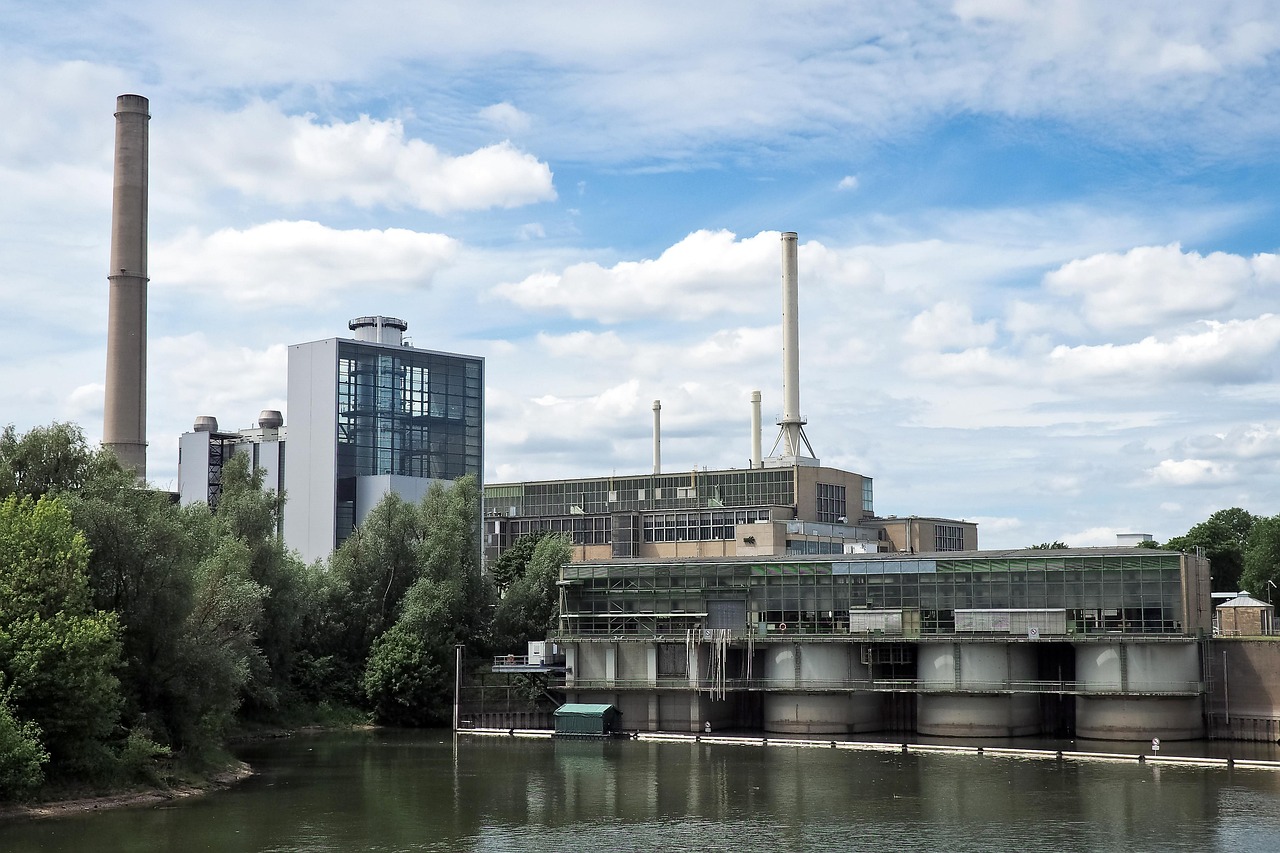
As part of the environmental impact assessment, the following are determined, analyzed, and evaluated:
- The direct and indirect impact of the given project, particularly on the environment, population, and human health and living conditions, as well as on monuments, material goods, landscapes (including cultural landscapes), and access to mineral resources;
- The risk of serious accidents and natural and construction-related disasters;
- Possibilities and methods for preventing and reducing the negative environmental impact of the project;
- The required scope of monitoring (Article 62, section 1 of the Act on Access to Environmental Information).
When is the environmental impact assessment conducted?
The procedure for the environmental impact assessment of planned projects is generally carried out at the stage of issuing the environmental conditions decision (Article 61, section 1, point 1 of the Act on Access to Environmental Information) or at the stage of issuing the building permit for investments related to the construction of nuclear energy facilities or associated investments (Article 61, section 1, point 3 of the Act on Access to Environmental Information). This decision, as its name suggests, specifies the environmental conditions for the implementation of the project. Only one such decision is issued for a given project (Article 72, section 5 of the Act on Access to Environmental Information). A detailed explanation of this issue concerning decisions issued for nuclear energy facilities and associated investments is provided in Article 72, section 5a of the Act on Access to Environmental Information.
Additionally, it is possible to repeat the environmental impact assessment procedure (this procedure has been discussed separately).
The environmental impact assessment, which is part of the procedure for issuing the environmental conditions decision, is conducted by the authority responsible for issuing that decision (Article 61, section 2 of the Act on Access to Environmental Information). For investments related to the construction of nuclear energy facilities, the assessment is conducted by the General Director of Environmental Protection, while for associated investments, it is conducted by the regional director of environmental protection (Article 61, sections 3a and 3b of the Act on Access to Environmental Information).
Before initiating the environmental impact assessment procedure, it is necessary to determine whether the given project should be subjected to such a procedure.
According to Article 59 of the Act on Access to Environmental Information, the environmental impact assessment procedure is required for the planned projects:
- which may always have a significant impact on the environment (these are the projects listed in § 2 of the Regulation of the Council of Ministers of November 9, 2010, on projects that may have a significant impact on the environment – hereinafter referred to as the r.p.z.o.ś.).
- which may potentially have a significant impact on the environment (listed in § 3 of the r.p.z.o.ś.), if the necessity to conduct the environmental impact assessment procedure has been determined in the so-called screening procedure.
which also require obtaining the decisions specified in Article 72, section 1 of the Act on Access to Environmental Information or making a notification referred to in Article 72, section 1a of the Act on Access to Environmental Information.
Additionally, for projects that do not fall under the category of those that may significantly impact the environment and which do not necessarily require the decisions specified in Article 72 of the Act on Access to Environmental Information or a notification referred to in Article 72, section 1a of the Act on Access to Environmental Information, but which may significantly impact a Natura 2000 site and are not directly related to the protection of that site or do not result from that protection, the obligation to conduct an environmental impact assessment for the Natura 2000 area may be established (this procedure has been discussed separately). It should be emphasized that for such projects, no environmental conditions decision is issued.
The decisions for which an environmental conditions decision must be obtained are listed in Article 72, section 1 of the Act on Access to Environmental Information.
The deadline for submitting an application for the issuance of the above-mentioned decision or for making a notification is 6 years from the date when the environmental conditions decision became final (Article 72, section 3 of the Act on Access to Environmental Information). There is an option to extend this period by another 4 years for projects carried out in stages, provided that the conditions for the implementation of the given project specified in this decision or in the agreement issued as part of the re-assessment of the environmental impact remain valid – this must be confirmed by a decision issued by the authority that issued the environmental conditions decision for the given project, before the expiration of the above-mentioned six-year period. This decision should take into account information about the environmental status and the possibility of fulfilling the conditions resulting from the environmental conditions decision (Article 72, sections 4 and 4a of the Act on Access to Environmental Information). Without the need to meet the above-mentioned conditions, an application for the issuance of any of the decisions listed in Article 72, section 1 of the Act on Access to Environmental Information for nuclear energy facilities or associated investments can be submitted within 10 years from the date the environmental conditions decision became final (Article 72, section 4b of the Act on Access to Environmental Information). Therefore, in some cases, the application for the issuance of decisions listed in Article 72, section 1 of the Act on Access to Environmental Information can be submitted even just before the expiration of ten years from the date the environmental conditions decision became final. The application for the issuance of decisions listed in Article 72, section 1 of the Act on Access to Environmental Information and notifications referred to in Article 72, section 1a of the Act on Access to Environmental Information must include the environmental conditions decision (Article 72, section 3 of the Act on Access to Environmental Information).
The environmental conditions decision does not need to be obtained in cases specified in Article 72, sections 2-2b of the Act on Access to Environmental Information.
An environmental conditions decision is also not issued in the case of projects whose sole purpose is national defense and security or conducting rescue operations and ensuring civil security in relation to preventing or removing an immediate threat to the population – if this would have an adverse impact on the stated objectives (Article 72, section 8 of the Act on Access to Environmental Information). To benefit from this exemption, the investor must notify the regional director of environmental protection about the necessity of implementing such a project. The regional director has 7 days from the receipt of the notification to object by issuing a decision. In such a case, the obligation to obtain an environmental decision arises (Article 72, sections 9 and 11 of the Act on Access to Environmental Information), and the regional director is the competent authority to issue it. If there is no objection, the investor is authorized to begin the project after the specified period has passed (Article 72, section 10 of the Act on Access to Environmental Information).
Application for the issuance of an environmental conditions decision
The initiative to submit an application for the issuance of an environmental conditions decision lies with the investor. This application can be submitted electronically; the application form should be specified by the Minister of the Environment (Article 73, section 3 of the Act on Access to Environmental Information).
For projects that may potentially have a significant impact on the environment, as well as those projects that may always have a significant impact on the environment, for which the scope of the report will be determined, the application for the issuance of the decision must include an information card for the project, containing basic information about the planned project, as specified in Article 62a, section 1 of the Act on Access to Environmental Information, signed by the author of this document (Article 62a, section 2 of the Act on Access to Environmental Information). For other projects that may always have a significant impact on the environment, the application must include an environmental impact report – meeting the requirements specified in Article 66 of the Act on Access to Environmental Information and signed by the author. These documents must be submitted in three (or four, if the maritime office director is involved in the procedure) printed copies, as well as on electronic data carriers (Article 74, sections 1, point 1 and 2, and section 2 of the Act on Access to Environmental Information).
The environmental impact report should be prepared by the author/leader of the team of authors who meets the requirements specified in Article 74a, section 1 of the Act on Access to Environmental Information.
The Minister of the Environment is to specify the format of the environmental impact report and the format of the document containing the results of the environmental inventory (Article 66, section 8 of the Act on Access to Environmental Information).
Additionally, regardless of the type of project, the following documents must be attached to the application for the issuance of the decision (Article 74, section 1, points 3-7 of the Act on Access to Environmental Information):
- A certified copy of the cadastral map covering the planned area where the project will be implemented, as well as the area affected by the project, or – for projects requiring a geological and mining concession, a decision approving the movement plan for geological works related to the exploration and recognition of hydrocarbon deposits, an investment decision for obtaining a concession for exploration and recognition of a hydrocarbon deposit and extraction of hydrocarbons, or a decision approving the movement plan for geological works based on a concession for exploration or recognition of a mineral deposit conducted within areas not part of the land property – for projects concerning I, II, and III class dam structures – a situational and elevation map made at a scale that allows for a detailed presentation of the boundary lines of the area covered by the application, and the area affected by the project;
- A map at a scale that ensures the readability of the presented data, with the predicted area where the project will be implemented marked, as well as the predicted area affected by the project (along with an electronic record of this map);
- An excerpt and a drawing from the local spatial development plan, if such a plan has been adopted, or information about the absence of such a plan – if the procedure for issuing the environmental conditions decision is being conducted by the regional director of environmental protection. This requirement does not apply to projects listed in Article 74, section 1, point 5 of the Act on Access to Environmental Information;
- An excerpt from the land register covering the planned area where the project will be implemented and the area affected by the project; this excerpt may be replaced by another document issued by the authority maintaining the land and building register, enabling the identification of the parties to the procedure in accordance with Article 74, section 1, point 6 of the Act on Access to Environmental Information;
- A graphic attachment showing the scope of the project's impact;
- A list of plots designated for preparatory works, such as tree and shrub clearing (if such works are planned) – in the case of projects requiring a decision on permission for the implementation of a road investment.
In proceedings where the number of parties exceeds 20, for projects undergoing an environmental impact assessment, an excerpt from the land register or another cadastral document, as well as a certified copy of the cadastral map, must be submitted along with the environmental impact report. For projects that do not require such an assessment, the excerpt from the land register/other cadastral document and the certified copy of the cadastral map must be submitted within 14 days from the date the decision specified in Article 64, section 2 of the Act on Access to Environmental Information becomes final (Article 74, sections 1a and 1b of the Act on Access to Environmental Information). In the case of proceedings for projects requiring a geological and mining concession, a decision approving the movement plan for geological works related to the exploration and recognition of hydrocarbon deposits, an investment decision for obtaining a concession for exploration and recognition of a hydrocarbon deposit and extraction of hydrocarbons, or a decision approving the movement plan for geological works based on a concession for exploration or recognition of a mineral deposit conducted within areas that are not part of the land property, as well as for I, II, and III class dam structures, when the number of parties to the procedure exceeds 20, no excerpt from the land register (or other cadastral document) is required to be submitted at all (Article 74, section 1c of the Act on Access to Environmental Information).
In the case of a project that requires a decision on the approval of a land consolidation or exchange project, the procedure for issuing the environmental conditions decision is initiated ex officio (Article 73, section 2 of the Act on Access to Environmental Information). In this case, the authority responsible for issuing the environmental decision prepares the project information card or the environmental impact report.
In cases where the number of parties to the procedure for issuing the environmental conditions decision exceeds 20, all actions taken within the framework of this procedure can be notified by way of a public notice, in accordance with Article 49 of the Act of June 14, 1960, the Code of Administrative Procedure (hereinafter: k.p.a.) (Article 74, section 3 of the Act on Access to Environmental Information). The same applies to the procedure for the annulment, modification, declaration of invalidity, or expiration of the environmental decision, as well as in the case of the reopening of the procedure for issuing that decision.
The Minister of the Environment may specify in a regulation the data formats for the attachments to the application for the issuance of an environmental decision (Article 74, section 1d of the Act on Access to Environmental Information).
The authority responsible for issuing the environmental conditions decision is generally the village mayor, town mayor, or city president (Article 75, section 1, point 4 of the Act on Access to Environmental Information). If the municipality is the applicant, the decision is issued by the regional director of environmental protection (Article 75, section 1, point 1, letter l of the Act on Access to Environmental Information).
For land consolidation, exchange, or division, the authority responsible for issuing the environmental decision is the county governor (starosta) (Article 75, section 1, point 2 of the Act on Access to Environmental Information), and for the conversion of state-owned forest land into agricultural use – the director of the regional directorate of the State Forests (Article 75, section 1, point 3 of the Act on Access to Environmental Information). This decision is issued by the regional director of environmental protection if the applicant is an organizational unit of the State Forests (Article 75, section 1, point 1, letter m of the Act on Access to Environmental Information).
The regional director of environmental protection is responsible for issuing the environmental conditions decision for (Article 75, section 1, point 1 of the Act on Access to Environmental Information):
- Roads, railways, overhead power lines, oil pipelines, pipelines for petroleum products, chemicals, or gas, artificial reservoirs, as well as nuclear facilities and radioactive waste disposal sites – which are projects that may always have a significant impact on the environment;
- Conversion of state-owned forest land into agricultural use;
- Investments related to public use airports;
- Investments related to terminals;
- Investments related to regional broadband networks;
- Projects conducted under a concession for the exploration or recognition of mineral deposits or for the extraction of minerals from deposits owned by the mining industry;
- Projects carried out on restricted areas or marine areas;
- Investments related to flood protection structures;
- Selected overhead power lines or electricity substations;
- Associated investments in nuclear energy facilities;
- Projects related to defense or rescue operations, for which the regional director has raised an objection, as mentioned in Article 72, section 10 of the Act on Access to Environmental Information;
Also in the case of the modification or expansion of all of the above-mentioned projects.
The General Director of Environmental Protection issues the environmental conditions decision for investments related to the construction of nuclear energy facilities (Article 75, section 1, point 1a of the Act on Access to Environmental Information).
A detailed division of competencies in cases where a given project is subject to the authority of more than one body is specified in Article 75, sections 1a-2 and Article 75, sections 4-7 of the Act on Access to Environmental Information.
Environmental impact report
The preliminary stage of the environmental impact assessment of planned projects is determining the scope of the environmental impact report (known as scoping). The scope of the report is primarily determined based on the application for the issuance of the environmental conditions decision and the project information card.
In the case of projects that may always have a significant impact on the environment, determining the scope of the report is optional and occurs at the request of the investor (Article 69 of the Act on Access to Environmental Information). However, if the project may have a transboundary impact on the environment, determining the scope of the report is mandatory (Article 69, section 2 of the Act on Access to Environmental Information).
In such a case, the investor attaches a request to determine the scope of the report along with the project information card to the application for the issuance of the environmental conditions decision (Article 69, section 1 of the Act on Access to Environmental Information). The scope of the report is determined by the authority responsible for issuing the environmental conditions decision through a resolution (which is not subject to appeal – see Article 141, section 1 of the Code of Administrative Procedure by analogy) (Article 69, section 3 of the Act on Access to Environmental Information). This resolution should be issued within 30 days from the date of receiving the request (Article 70, section 4 of the Act on Access to Environmental Information). At the same time, the authority issues an additional resolution to suspend the ongoing procedure until the applicant submits the completed environmental impact report; this resolution is not subject to an appeal (Article 69, sections 4 and 5 of the Act on Access to Environmental Information).
The resolution determining the scope of the report is issued after consulting the regional director of environmental protection and (in some cases) the state sanitary inspection authority, the director of the maritime office, and the authority responsible for issuing the integrated permit – issued based on the application for the environmental conditions decision and the project information card (Article 70, sections 1-2 of the Act on Access to Environmental Information). Authorities have 14 days to issue such an opinion (Article 70, section 3 of the Act on Access to Environmental Information).
For projects that may potentially have a significant impact on the environment, the determination of the scope of the report occurs along with the determination of the obligation to prepare such a document (the so-called screening). The obligation to conduct an environmental impact assessment (including the preparation of the report) is determined by the authority responsible for issuing the environmental conditions decision, through a resolution. A resolution is also issued if it is determined that there is no need to prepare such a document (Article 63, sections 1 and 2 of the Act on Access to Environmental Information).
The lack of a need to conduct an environmental impact assessment does not exclude the obligation to issue an environmental conditions decision for such projects. The authority may, in the resolution stating the lack of need for an assessment, comment on the obligation to specify conditions or requirements regarding significant environmental conditions during the implementation or operation phases of the project, or regarding environmental protection measures necessary to be included in the documentation required for issuing the decisions specified in Article 72, section 1 of the Act on Access to Environmental Information, or may impose obligations regarding actions to avoid, prevent, and reduce environmental impact (Article 63, section 2a of the Act on Access to Environmental Information).
The obligation to conduct an environmental impact assessment is mandatory if the possibility of implementing the project is dependent on the establishment of a restricted use area, as well as when the project information card indicates that the implementation of the project may prevent the achievement of environmental goals outlined in the water management plan for the river basin area (Article 63, section 3 of the Act on Access to Environmental Information).
When considering whether it is necessary to prepare an environmental impact report for a given project and thus subject it to an environmental impact assessment, and when determining the scope of the report, the authority should take into account:
- The detailed conditions specified in Article 63, section 1 of the Act on Access to Environmental Information, concerning the type and characteristics of the project, its location, and potential impact;
- The application for the issuance of the environmental conditions decision;
- The project information card;
- The opinion of the regional director of environmental protection and (in some cases) the state sanitary inspection authority, the director of the maritime office, and the authority responsible for issuing the integrated permit (Article 64, sections 1 and 1a of the Act on Access to Environmental Information).
According to Article 6 of the Act on Access to Environmental Information, the requirement to seek the opinion of the regional director of environmental protection does not apply when this authority is also the body issuing the environmental conditions decision, or when the decision is issued by the General Director of Environmental Protection.
Additionally, if the regional director determines that an environmental impact assessment is necessary due to the impact on a Natura 2000 area, instead of an opinion, a coordination resolution is issued (Article 64, section 1b of the Act on Access to Environmental Information). This resolution is not subject to an appeal (Article 106, section 5 of the Code of Administrative Procedure does not apply, in connection with Article 126 of the Code of Administrative Procedure).
When requesting the issuance of the above-mentioned opinion, the authority should submit (Article 64, section 2 of the Act on Access to Environmental Information):
- The application for the issuance of the environmental conditions decision;
- The project information card;
- An excerpt and drawing from the local spatial development plan or information about the lack of such a plan (this requirement does not apply in cases concerning projects listed in Article 64, section 2, point 3 of the Act on Access to Environmental Information).
The bodies issuing opinions and coordinating are also required to consider the detailed conditions specified in Article 63, section 1 of the Act on Access to Environmental Information.
In the case of determining the necessity of conducting an environmental impact assessment, they should also express their opinion on the scope of the environmental impact report. In the case of determining that the assessment is not needed, only the regional director of environmental protection can indicate in their opinion the necessity of imposing obligations on the investor related to the use of and protection of the environment.
The deadline for issuing opinions and coordinating is 14 days (Article 64, sections 3 and 4 of the Act on Access to Environmental Information).
Both opinions, the one issued for the purpose of the resolution determining the scope of the report and the one necessary for issuing the resolution regarding the need to conduct an environmental impact assessment and the scope of the environmental impact report, are issued either in the form of a letter or in the form of a resolution, which is not subject to an appeal (under Article 123 of the Code of Administrative Procedure).
Both in the case of determining the obligation to prepare the report and in the case of determining the lack of such a need, the justification for the resolution should, in addition to the information required by Article 107 of the Code of Administrative Procedure, include information about the conditions taken into account when issuing the resolution (Article 65, section 3 of the Act on Access to Environmental Information). This requirement is particularly important for projects seeking funding from the Cohesion Fund, as it allows for demonstrating the proper conduct of the screening procedure.
The authority has 30 days from the date of receiving the complete set of documents to issue these resolutions (Article 65, section 1 of the Act on Access to Environmental Information). It should be emphasized that an appeal is only available against the resolution determining the obligation to conduct an assessment (Article 65, section 2 of the Act on Access to Environmental Information).
When determining the scope of the report, both for projects that may always have a significant impact on the environment and for projects that may potentially have a significant impact on the environment, the authority may depart from some of the statutory requirements regarding the content of this document (specified in Article 66, section 1, points 4, 13, 15, and 16 of the Act on Access to Environmental Information), based on the location, nature, and scale of the project's environmental impact. However, this possibility is excluded in relation to public roads and railways – which are projects that may always have a significant impact on the environment. The authority may also specify the types of alternative variants that require examination, the scope and detail of the required data to characterize the project, the types of impacts, and the environmental elements requiring detailed analysis, as well as the scope and methods of research (Article 68 of the Act on Access to Environmental Information).
In the case of determining the necessity of conducting an environmental impact assessment, the authority also issues a resolution suspending the ongoing procedure for issuing the environmental conditions decision until the applicant submits the environmental impact report. This resolution is not subject to an appeal (Article 63, sections 5 and 6 of the Act on Access to Environmental Information). If the report is not submitted within three years from the suspension of the procedure, the application for the issuance of the environmental conditions decision will be considered withdrawn (Article 63, section 5a of the Act on Access to Environmental Information).
Agreements and Opinions
The environmental conditions decision is issued after consulting with the regional director of environmental protection and (in some cases) the director of the maritime office, and after seeking the opinions of the relevant sanitary inspection authorities for projects requiring decisions specified by the law, as well as the authority responsible for issuing the integrated permit (Article 77, section 1 of the Act on Access to Environmental Information).
For public purpose linear investments – for parts of these investments passing through a national park area, the authority is required to agree on the conditions for the implementation of the project with the Minister of the Environment, regarding the existence of alternative solutions for implementing the project and the proposed actions aimed at compensating for the negative environmental impacts on the natural environment of the park (Article 77, section 1a of the Act on Access to Environmental Information). The same agreements are made with the General Director of Environmental Protection for parts of public purpose investments passing through a nature reserve area (Article 77, section 1b of the Act on Access to Environmental Information).
The agreement is made in the form of a resolution, which is not subject to an appeal (Article 77, sections 3 and 7 of the Act on Access to Environmental Information).
In the resolution, the competent authority agrees on the implementation of the project and specifies the conditions for its realization (Article 77, section 4, point 1 and section 4a of the Act on Access to Environmental Information). In their respective agreements, the regional director of environmental protection and the director of the maritime office also express their position regarding the necessity of re-conducting an environmental impact assessment and the procedure for transboundary environmental impacts at the stage of issuing the building permit or the decision on the permission for road investment implementation, based on the criteria outlined in Article 77, section 5 of the Act on Access to Environmental Information (Article 77, section 4, point 2 of the Act on Access to Environmental Information).
An opinion, on the other hand, is issued either in the form of a letter or in the form of a resolution, which is not subject to an appeal (Article 77, section 7 of the Act on Access to Environmental Information). These limitations aim to maximize the efficiency and shorten the relevant procedure, and thus the entire investment process.
The basis for making agreements and issuing opinions is exclusively the documentation listed in Article 77, section 2 of the Act on Access to Environmental Information, submitted by the authority conducting the environmental impact assessment procedure, i.e., the application for the issuance of the environmental conditions decision along with the environmental impact report, and an excerpt and drawing from the local spatial development plan (or information about the absence of such a document). This last requirement does not apply to projects listed in Article 77, section 2, point 3 of the Act on Access to Environmental Information.
Applications for agreements with the Minister of the Environment and the General Director of Environmental Protection should be accompanied by opinions from the relevant national park director (for projects implemented in the park area) and the relevant regional director of environmental protection (for projects in the nature reserve area). These authorities also mediate in forwarding the said applications to the coordinating authorities (Article 77, sections 2a and 2b of the Act on Access to Environmental Information).
The authorities have 30 days to make the agreement and issue the opinion, counting from the date of receiving the submitted documents (Article 77, section 6 of the Act on Access to Environmental Information).
At the same time, according to Article 6 of the Act on Access to Environmental Information, the requirement for consultation does not apply if the authority conducting the procedure is also the consulting or opinion-giving authority. In practice, this applies to projects for which the environmental conditions decision is issued by the regional director of environmental protection – such as large infrastructure investments, like roads and railways that always require an environmental impact assessment, or public use airports. It is assumed that the regional director of environmental protection possesses comprehensive knowledge in the field of environmental protection and, as an environmental authority, does not need to seek the opinions of other similar authorities. The consultation requirement by the regional director of environmental protection also does not apply when the environmental conditions decision is issued by the General Director of Environmental Protection.
For roads, railways, overhead power lines, oil pipelines, pipelines for petroleum products, chemicals or gas, and artificial water reservoirs – which are projects that may always have a significant environmental impact, as well as for other projects in this category – in cases specified in the Act of March 14, 1985, on the State Sanitary Inspection, the consulting authority is the state provincial sanitary inspector. In other cases, the opinion is issued by the state district or border sanitary inspector (Article 78, section 1 of the Act on Access to Environmental Information). For projects located in areas under the competence of the Minister of Defense and the Minister of the Interior, the relevant authorities are the sanitary inspection bodies within these ministries (Article 78, section 3 of the Act on Access to Environmental Information).
Failure to issue an opinion within the statutory deadline is considered as no objections (Article 78, section 4 of the Act on Access to Environmental Information). This solution constitutes another mechanism to ensure the efficient and timely completion of the entire procedure.
Public consultations
Another element of the environmental impact assessment for planned projects is the procedure involving public participation (Article 79, section 1 of the Act on Access to Environmental Information). This procedure essentially involves making the application for the issuance of the environmental conditions decision and the environmental impact report, along with any available decisions from the authority conducting the procedure and the positions of other authorities, available to all interested parties for a period of thirty days, and allowing them to submit comments and requests on these documents (Articles 33 and 34 of the Act on Access to Environmental Information). Comments and requests submitted after this deadline are not considered (Article 35 of the Act on Access to Environmental Information). The authority may conduct an administrative hearing, which is open to the public (Article 36 of the Act on Access to Environmental Information). The results of the public consultations should be considered and discussed in the justification for the environmental conditions decision (Article 37 of the Act on Access to Environmental Information). The authority may, through a resolution, waive the public participation procedure for projects implemented in restricted areas if conducting the procedure could negatively affect the defense and security objectives of the state (Article 79, section 2 of the Act on Access to Environmental Information).
According to Article 44 of the Act on Access to Environmental Information, all environmental organizations that, referring to their statutory objectives, express their desire to participate in a given procedure for issuing the environmental conditions decision, in which an environmental impact assessment is being conducted, shall participate in the procedure as parties if they have been conducting statutory activities in the field of environmental protection or nature conservation for at least 12 months prior to the initiation of the procedure (Article 44, section 1 of the Act on Access to Environmental Information). Such a notification is not limited to the consultation period, nor is it conditioned on submitting comments and requests within the consultation process. An appeal may be lodged against the resolution refusing to admit an environmental organization to participate in the procedure as a party (Article 44, section 4 of the Act on Access to Environmental Information). Allowing an environmental organization to participate in the procedure under the above conditions does not require the issuance of a resolution.
Additionally, the Act on Access to Environmental Information grants environmental organizations the right to file an appeal and a complaint against a decision requiring public participation, even if these organizations did not previously participate in the procedure (Article 44, sections 2-3 of the Act on Access to Environmental Information).
Reassessment of Environmental Impact
A key element of the environmental conditions decision is determining the need to conduct a reassessment at the stage of issuing the decisions listed in Article 72, section 1, points 1, 10, 14, and 18 of the Act on Access to Environmental Information (the building permit decision, the decision on the permit for road investment, the decision on the permit for the implementation of public use airport investments, the decision on the permit for the implementation of flood protection structures) and the permit for preparatory works related to investments in nuclear energy facilities and associated investments. To this end, the authority is required to take into account, in particular, circumstances where the information available at the stage of issuing the environmental conditions decision does not allow for a sufficient assessment of the project's environmental impact or requires further clarification, the possibility of cumulative impacts from projects located in the area that the project will affect, or the possibility of the project's impact on areas requiring special protection (Article 82, section 2 of the Act on Access to Environmental Information). For decisions issued for projects related to the construction of nuclear energy facilities or associated investments, the reassessment is mandatory at the stage of issuing the construction permit for such investments (Article 82, section 1, point 4a of the Act on Access to Environmental Information).
Additionally, the authority may specify in the environmental conditions decision the scope in which the reassessment of environmental impact should be conducted (Article 82, section 2a of the Act on Access to Environmental Information).
Issuance of the decision on environmental conditions
The issuance of the environmental conditions decision is the most important stage in the environmental impact assessment procedure. It is in this decision that the results of all stages of the procedure should be reflected, starting from the submission of the application, through the consultations and opinions, analysis of the documentation attached to the application, as well as public and transboundary consultations, if they have been conducted. The necessity to consider the above-mentioned elements when issuing the environmental conditions decision is clearly indicated by the provision that "collects" all these requirements (Article 80, section 1 of the Act on Access to Environmental Information).
A comprehensive catalog of the conditions that must or may be imposed through the environmental conditions decision is outlined in Article 82, section 1 of the Act on Access to Environmental Information. The environmental conditions decision specifies the type and location of the project, the planned land use, environmental protection requirements that must be incorporated into the construction project, the readiness of the installation for carbon dioxide capture (in the case of installations for burning fuels to generate electricity), as well as, if necessary, requirements regarding the prevention of industrial accident impacts and the reduction of transboundary environmental impacts.
Through the environmental conditions decision, the applicant may be imposed with obligations related to avoiding, preventing, and reducing environmental impact, conducting environmental compensation, establishing a restricted use area, or providing a post-implementation analysis (mandatory in the case of determining the need to establish a restricted use area) to the designated authorities.
A mandatory attachment to the environmental conditions decision is the description of the planned project (Article 82, section 3 of the Act on Access to Environmental Information).
The environmental conditions decision always requires justification, which, in addition to the information specified in Article 107 of the Code of Administrative Procedure, should also include information about the conducted public participation procedure and how the comments, requests, and information submitted during this procedure were considered, and to what extent they were taken into account. It should also include how the findings in the environmental impact report were considered, the agreements of the regional director of environmental protection, and the opinions of the sanitary inspection authority, as well as the results of the procedure regarding transboundary environmental impacts, if conducted. Additionally, the justification should include the reasoning for the position on the need to conduct a reassessment of the environmental impact (Article 85, section 2, point 1 of the Act on Access to Environmental Information).
In the case where an environmental impact assessment has not been conducted (for projects that may potentially have a significant environmental impact, where the need for such an assessment was not recognized during the screening procedure), the environmental conditions decision states the lack of the need to conduct an environmental impact assessment. Additionally, if the authority considers it appropriate, it may specify conditions or requirements regarding significant environmental conditions during the implementation or operation phases of the project, or concerning environmental protection measures that must be included in the documentation required for issuing the decisions specified in Article 72, section 1 of the Act on Access to Environmental Information, or may impose obligations related to avoiding, preventing, and reducing environmental impacts – particularly if this results from the coordination resolution under Article 63, section 2a of the Act on Access to Environmental Information. An attachment to such a decision is the project description (Article 84 of the Act on Access to Environmental Information), and the justification should include information about the conditions specified in Article 63, section 1 of the Act on Access to Environmental Information that were considered by the authority when determining the lack of need for an environmental impact assessment (Article 85, section 2, point 2 of the Act on Access to Environmental Information).
The environmental conditions decision can only be issued after confirming the compliance of the proposed project location with the local spatial development plan, if such a plan has been adopted. This requirement does not apply to projects specified in Article 80, section 2 of the Act on Access to Environmental Information. For projects related to geological and mining activities that do not require a concession for the exploration and recognition of mineral deposits, it is sufficient that the location of the planned project does not violate the provisions of the local development plan (Article 80, section 3 of the Act on Access to Environmental Information).
The environmental conditions decision should also be refused in the following cases:
- The applicant does not agree to a variant other than the one proposed in the application, when the environmental impact assessment indicates the justification for implementing the project in a different variant;
- The environmental impact assessment indicates that the project may significantly negatively impact a Natura 2000 area, and the conditions specified in Article 34 of the Act of April 16, 2004, on nature protection are not met;
- The environmental impact assessment indicates that the project may prevent the achievement of environmental goals outlined in the water management plan for the river basin area, and the conditions specified in Article 38j of the Act of July 18, 2001, the Water Law, are not met (Article 81 of the Act on Access to Environmental Information).
Information on the issuance of the environmental conditions decision and the possibility of familiarizing with the content of this decision and the necessary documentation of the case should be made public (Article 85, section 3 of the Act on Access to Environmental Information). A similar obligation applies to decisions listed in Article 72, section 1 of the Act on Access to Environmental Information, preceded by the environmental conditions decision (Article 72, section 6 of the Act on Access to Environmental Information).
The issued environmental conditions decision is forwarded by the authority to the environmental protection authority and also to the consulting and opinion-giving authorities (Article 74, section 4 and Article 86a of the Act on Access to Environmental Information).
The environmental conditions decision binds the authorities issuing subsequent investment-related decisions for a given project, as specified in Article 72, section 1 of the Act on Access to Environmental Information, the authorities accepting notifications referred to in Article 72, section 1a of the Act on Access to Environmental Information, and other authorities issuing decisions specifying environmental usage conditions (in the latter case, the environmental decision is binding only to the extent that it must be considered when issuing the aforementioned decisions) – Article 86 of the Act on Access to Environmental Information. Conditions specified in the environmental conditions decision, which have not been considered in the decisions mentioned above, are subject to administrative enforcement, provided the project is being implemented (Article 86c of the Act on Access to Environmental Information).
The environmental conditions decision issued for the purpose of obtaining the permit for road investment, which specifies the plots necessary for preparatory works, also serves as the basis for tree or shrub clearing, archaeological or geological studies, and conducting environmental compensation on properties owned by the State Treasury and managed by PGL State Forests – without the need to obtain the required legal decision and with the right to enter the planned project area free of charge to carry out the specified works (Article 82a of the Act on Access to Environmental Information).
Additionally, if the results of the post-implementation analysis or monitoring (the obligation of which was imposed through the environmental conditions decision) indicate the need for actions to adapt the project to environmental protection requirements, a procedure should be initiated to eliminate such impacts, in accordance with Articles 362 and 363 of the Act of April 27, 2001, the Environmental Protection Law (consolidated text: Journal of Laws of 2016, item 672). Such a procedure may also be initiated at the request of the authority that issued the environmental conditions decision or the regional director of environmental protection (Article 82, section 1c of the Act on Access to Environmental Information).
If one of the parties subsequently files an appeal against the issued environmental conditions decision, and the authority that issued the decision finds the appeal entirely justified, it may issue a new decision to revoke or amend the contested decision, but only with the consent of the entity planning to implement the project for which the environmental decision was issued (Article 86b of the Act on Access to Environmental Information).
All provisions regarding the issuance of the environmental conditions decision apply accordingly when modifying the decision, with the consent for modification being granted only by the entity holding the environmental decision (Article 87 of the Act on Access to Environmental Information).
The issued environmental conditions decision may also be transferred to another entity (Article 72a of the Act on Access to Environmental Information).
According to Article 66 of the Act on Access to Environmental Information and its Protection, Public Participation in Environmental Protection, and Environmental Impact Assessments, the Environmental Impact Report should contain information enabling the analysis of the criteria listed in Article 62, section 1 of the Act, and should include:
1) A description of the planned project, particularly:
a) A characterization of the entire project and the conditions of land use during the construction and operational phases or usage,
b) The main characteristics of the production processes,
c) The anticipated types and quantities of emissions, including waste, resulting from the operation of the planned project,
d) Information on biodiversity, the use of natural resources, including soil, water, and land area,
e) Information on energy demand and its consumption,
f) Information on demolition works related to projects that may significantly impact the environment,
g) An assessment, based on scientific knowledge, of the risk of serious accidents or natural and construction-related disasters, considering the substances used and technologies applied, including risks related to climate change;
92 A description of the environmental elements within the scope of the anticipated impact of the planned project on the environment, including:
a) elements of the environment protected under the Act of April 16, 2004, on nature protection and ecological corridors as defined by this Act,
b) hydromorphological, physicochemical, biological, and chemical properties of waters;
2a) results of the environmental inventory, which refers to the collection of field studies conducted for the purpose of characterizing the elements of the natural environment, if conducted, along with a description of the methodology used; the results of the environmental inventory with the description of the methodology are annexed to the report;
2b) other data based on which the description of the environmental elements was made;
3) description of historical monuments in the vicinity or in the direct impact range of the planned project, protected under the provisions on the protection of monuments and monument care;
3a) description of the landscape in which the project is to be located;
3b) information on the connections with other projects, in particular the cumulative impacts of ongoing, completed, or planned projects for which an environmental conditions decision has been issued, located on the land where the project is planned to be carried out, and in the area of the project's impact or whose impacts fall within the impact area of the planned project – to the extent that their impacts may lead to a cumulative effect with the planned project;
4) description of the anticipated environmental impacts if the project is not undertaken, taking into account available environmental information and scientific knowledge;
5) description of variants considering the specific characteristics of the project or its impact, including:
a) the variant proposed by the applicant and a rational alternative variant,
b) the rational variant most beneficial to the environment,
- along with the justification for their selection;
6) Determining the anticipated environmental impact of the analyzed variants, including in the case of a serious industrial accident and natural or construction disaster, on the climate, including greenhouse gas emissions and impacts significant for climate change adaptation, as well as possible transboundary environmental impacts, and in the case of a road in the trans-European road network, also the impact of the planned road on road traffic safety;
6a) Comparison of the impacts of the analyzed variants on:
a) humans, plants, animals, fungi, and natural habitats, water, and air,
b) land surface, including mass movements of land and landscape,
c) material goods,
d) monuments and cultural landscapes, covered by existing documentation, particularly the register or record of monuments,
e) forms of nature protection referred to in Article 6, section 1 of the Act of April 16, 2004, on nature protection, including the objectives and subject of protection of Natura 2000 areas, and the continuity of the ecological corridors connecting them,
f) elements listed in Article 68, section 2, point 2, letter b, if they have been included in the environmental impact report or if required by the relevant authority,
g) mutual interactions between the elements referred to in letters a-f;
7) Justification for the variant proposed by the applicant, taking into account the information referred to in points 6 and 6a;
8) Description of the forecasting methods used by the applicant and a description of the expected significant environmental impacts of the planned project, including direct, indirect, secondary, cumulative, short-, medium- and long-term, permanent, and temporary impacts on the environment, resulting from:
a) the existence of the project,
b) the use of environmental resources,
c) emissions;
9) Description of the anticipated actions aimed at avoiding, preventing, reducing, or compensating for negative environmental impacts, particularly on forms of nature protection referred to in Article 6, section 1 of the Act of April 16, 2004, on nature protection, including the objectives and subject of protection of Natura 2000 areas, and the continuity of the ecological corridors connecting them, along with an assessment of their effectiveness during the implementation, operation, and decommissioning stages of the project;
10) For roads that are projects that may always have a significant impact on the environment:
a) determination of the assumptions for:
- rescue studies of identified monuments located in the area of the planned project, uncovered during construction works,
- a program for securing existing monuments from the negative impact of the planned project and protecting the cultural landscape,
b) Analysis and assessment of possible threats and damage to monuments protected under the provisions on the protection of monuments and monument care, particularly archaeological monuments, in the vicinity or in the direct impact range of the planned project;
10a) For installations used for burning fuels to generate electricity with a nominal electrical capacity of at least 300 MW, an assessment of the installation's readiness for carbon dioxide capture, based on the analysis of:
a) the availability of underground carbon dioxide storage sites,
b) the technical and economic feasibility of carbon dioxide transport networks;
11) If the planned project involves the use of installations, a comparison of the proposed technology with the technology meeting the requirements specified in Article 143 of the Act of April 27, 2001 – Environmental Protection Law;
11a) Reference to environmental objectives resulting from strategic documents significant for the implementation of the project;
12) Indication of whether it is necessary to establish a restricted use area for the planned project, as referred to in the Act of April 27, 2001 – Environmental Protection Law, and specifying the boundaries of such an area, land use restrictions, technical requirements for buildings, and the ways of using them; this does not apply to projects related to the construction or reconstruction of roads, or to projects related to the construction or reconstruction of railway lines or public use airports;
13) Presentation of the issues in graphic form;
14) Presentation of the issues in cartographic form at a scale corresponding to the subject matter and the level of detail of the issues analyzed in the report, and allowing for a comprehensive presentation of the environmental impact assessment;
15) Analysis of possible social conflicts related to the planned project;
16) Presentation of the proposed monitoring of the environmental impact of the planned project during its construction and operation or use, particularly for forms of nature protection referred to in Article 6, section 1 of the Act of April 16, 2004, on Nature Protection, including the objectives and subject of protection of Natura 2000 areas, and the continuity of the ecological corridors connecting them, as well as information on available results from other monitoring that may be relevant for determining obligations in this regard;
17) Indication of difficulties arising from technical deficiencies or gaps in contemporary knowledge encountered while preparing the report;
18) Summary in non-specialist language of the information contained in the report, in relation to each element of the report;
19) Signature of the author, and if the report was prepared by a team of authors – the leader of the team, along with the name and surname, and the date of the report;
19a) Statement by the author, and if the report was prepared by a team of authors – the leader of the team, stating compliance with the requirements referred to in
Article 74a, section 2, which constitutes an attachment to the report;
Sources of information used as the basis for preparing the report.
The environmental impact report is usually prepared based on the following legal acts, ensuring compliance with the requirements contained therein:
- Ustawa z dnia 3 października 2008 roku o udostępnianiu informacji o środowisku
i jego ochronie, udziale społeczeństwa w ochronie środowiska oraz o ocenach oddziaływania na środowisko (t.j. Dz.U. z 2017 r. poz. 1405); - Ustawa o odpadach z dnia 14 grudnia 2012 roku (t.j. Dz. U. z 2016 r. poz. 1987 z późn. zm.);
- Ustawa Prawo ochrony środowiska z dnia 27 kwietnia 2001 roku (t.j. Dz.U. z 2017 r. poz. 519 z późn. zm.);
- Ustawa z dnia 18 lipca 2001 roku – Prawo wodne (t.j. Dz.U. z 2017 r. poz.1121 z późn. zm.);
- Ustawa z dnia 16 kwietnia 2004 roku o ochronie przyrody (t.j. Dz.U. z 2016 r. poz. 2134 z późn. zm.);
- Ustawa z dnia 10 kwietnia 1997 r. Prawo energetyczne (t.j. Dz.U. z 2017 r. poz. 220 z późn. zm.)
- Ustawa z dnia 7 czerwca 2001 roku o zbiorowym zaopatrzeniu w wodę i zbiorowym odprowadzaniu ścieków (t.j. Dz.U. z 2017 poz. 238 ze zm.);
- Ustawa z dnia 13 kwietnia 2007 r. o zapobieganiu szkodom w środowisku i ich naprawie (Dz.U. z 2014 r. poz. 1789);
- Rozporządzenie Ministra Środowiska z dnia 9 października 2014 r. w sprawie ochrony gatunkowej grzybów (Dz.U.2014 poz.1408);
- Rozporządzenie Ministra Środowiska z dnia 13 kwietnia 2010 r. w sprawie siedlisk przyrodniczych oraz gatunków będących przedmiotem zainteresowania Wspólnoty, a także kryteriów wyboru obszarów kwalifikujących się do uznania lub wyznaczenia jako obszary Natura 2000 (t.j. Dz.U. z 2014 r. poz.1713);
- Rozporządzenie Ministra środowiska z dnia 12 stycznia 2011 r. w sprawie obszarów specjalnej ochrony ptaków (Dz.U.2011 Nr 25 poz.133 ze zm.);
- Rozporządzenie Ministra Środowiska z dnia 16 grudnia 2016 r. w sprawie ochrony gatunkowej zwierząt (Dz.U. z 2016 r. poz. 2183);
- Rozporządzenie Ministra Środowiska z dnia 9 października 2014 r. w sprawie ochrony gatunkowej roślin (Dz.U. z 2014 r. poz.1409);
- Rozporządzenie Ministra Budownictwa z dnia 14 lipca 2006 roku w sprawie sposobu realizacji obowiązków dostawców ścieków przemysłowych oraz warunków wprowadzania ścieków do urządzeń kanalizacyjnych (t.j. Dz.U. z 2016 r. poz. 1757),
- Rozporządzenie Ministra Infrastruktury z dnia 14 stycznia 2002 roku w sprawie określenia przeciętnych norm zużycia wody (Dz.U. z 2002 r. Nr 8 poz. 70),
- Rozporządzenie Ministra Spraw Wewnętrznych i Administracji z dnia 24 lipca 2009 roku w sprawie przeciwpożarowego zaopatrzenia w wodę oraz dróg pożarowych (Dz.U. z 2009 r. Nr 124 poz.1030);
- Rozporządzenie Ministra Środowiska z dnia 14 czerwca 2007 roku w sprawie dopuszczalnych poziomów hałasu w środowisku (Dz.U. z 2014 r. poz. 112 ze zm.);
- Rozporządzenie Ministra Środowiska z dnia 12 grudnia 2014 roku w sprawie wzorów dokumentów stosowanych na potrzeby ewidencji odpadów (Dz. U.2014 poz. 1973);
- Rozporządzenie Ministra Środowiska z dnia 9 grudnia 2014 roku w sprawie katalogu odpadów (Dz. U.2014 poz. 1923),
- Rozporządzenie Ministra Środowiska z dnia 18 listopada 2014 r. w sprawie warunków, jakie należy spełnić przy wprowadzaniu ścieków do wód lub do ziemi, oraz w sprawie substancji szczególnie szkodliwych dla środowiska wodnego (Dz.U.2014 poz. 1800),
- Rozporządzenie Ministra Środowiska z dnia 26 stycznia 2010 r. w sprawie wartości odniesienia dla niektórych substancji w powietrzu (Dz.U.2010 Nr 16 poz. 87),
- Rozporządzenie Ministra Środowiska z dnia 13 września 2012 roku w sprawie dokonywania oceny poziomów substancji w powietrzu (Dz.U. z 2012 r. poz. 1032);
- Rozporządzenie Ministra Środowiska z dnia 24 sierpnia 2012 r. w sprawie poziomów niektórych substancji w powietrzu (Dz.U.2012 poz. 1031);
- Rozporządzenie Ministra Środowiska z dnia 1 września 2016 r. w sprawie kryteriów oceny wystąpienia szkody w środowisku (Dz.U. 2016 poz. 1399),
Below is the administrative and project schedule presenting the estimated time associated with the preparation of the Project Information Card documentation, formal-legal agreements, and ultimately obtaining the environmental decision.
| No. | Procedure stage | Approximate duration |
|---|---|---|
| 1 | Preparation of the Environmental Impact Report: Preparation of the documentation for the Environmental Impact Report and submission of the documentation to the relevant authority | do 30 dni |
| 2 | Submission of the application by the authority to the Regional Director of Environmental Protection and the Sanitary Inspectorate for agreement on the environmental conditions decision | 7 days |
| 3 | Review of the Report and obtaining the required agreements. | 60 days |
| 4 | Issuance of the agreement by the RDOŚ (Regional Director of Environmental Protection) and the sanitary opinion by the Sanepid | |
| 5 | Public consultations | 30 days |
| 6 | ublic announcement of the issuance of the environmental decision and the opportunity to familiarize with the collected materials in accordance with Article 10 of the Code of Administrative Procedure (KPA) | 7 days |
| 7 | Issuance of the decision on environmental conditions | 7 days |
| 8 | Finalization of the environmental decision and its legal circulation |
14 days |
| about 4-5 months | ||
Source: Florkiewicz Ewa, sip.lex.pl, own materials

